
The ideal window tint level for heavy traffic usually falls between 20% and 35% VLT (Visible Light Transmission) to balance heat rejection with optimal visibility. Selecting a medium-range film ensures that drivers maintain a clear view of surrounding vehicles during dawn and dusk while effectively blocking the intense solar glare that causes eye fatigue during long commutes.
Navigating Light Transmission and Driver Safety
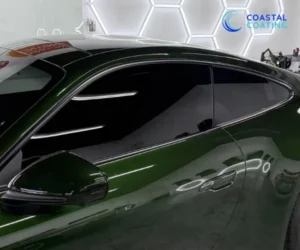
When navigating congested roadways, the primary goal of any glass film is to enhance the driving experience without compromising safety. Visible Light Transmission (VLT) measures the exact percentage of light passing through the glass; a lower percentage indicates a darker tint. For those spending significant time behind the wheel, a 35% film is often the optimal choice. This level provides a sophisticated aesthetic and significant heat reduction while ensuring you can still make eye contact with other drivers, a critical safety component when merging or navigating busy intersections.
Many vehicle owners prioritize heat rejection, especially when idling on hot asphalt during peak transit hours. High-performance ceramic films allow for a lighter VLT while still providing the thermal protection of a much darker, standard carbon film. This means you can opt for a 50% or 70% tint that looks nearly transparent but still keeps the cabin temperature significantly lower than untreated glass. To ensure these benefits last for the life of your vehicle, we highly recommend a professional window tinting installation in Myrtle Beach, SC, to guarantee precision and durability.
Environmental Stressors and Interior Preservation
Living and driving near the ocean introduces unique environmental stressors that standard automotive glass isn’t equipped to handle. The combination of high humidity and intense UV exposure can degrade a vehicle’s interior rapidly. During a recent audit for a client in Myrtle Beach, SC, we observed that unprotected leather interiors reached surface temperatures high enough to cause “off-gassing,” which creates a hazy film on the inside of the windshield. Advanced films utilize multi-layered nanotechnology to filter out 99% of harmful UV rays, protecting both your skin and the structural integrity of your dashboard.
Privacy is a common request for those who frequently leave equipment or personal items in their vehicles while parked. While a 5% “limo tint” offers maximum privacy, it can be problematic for nighttime navigation in areas with limited street lighting. When we perform a window tinting installation in Myrtle Beach, we often recommend staggered percentages such as 20% on the rear and 35% on the front to ensure the vehicle remains functional from the brightest midday sun to the darkest coastal nights.
The Coastal Coating Standard
At our facility, we execute a proprietary framework centered on precision-bonded preservation. This isn’t just an application; it is a technical integration of film and glass.
- Professional Expertise: Our technicians calibrate the application based on the specific glass chemistry and curvature of your vehicle to prevent peeling or bubbling.
- High-Quality Products: We exclusively use professional-grade ceramic and graphene-infused films that are “signal friendly,” ensuring zero interference with GPS or cellular devices.
- Custom Solutions: No two drivers have the same needs. We match the VLT and film type to your specific driving habits and aesthetic preferences.
- Local Understanding: While working with a vehicle owner near Surfside Beach, we accounted for high salt-air salinity, which can be abrasive to lower-quality films. Our coatings are engineered to withstand these corrosive elements.
- Exceptional Service: From the initial diagnostic to the final curing inspection, we provide a seamless experience that reinforces the long-term value of your investment.
Comparative Performance Data
Standard window films rely on darkening the glass to block heat. However, modern technology focuses on infrared (IR) rejection. IR rays are responsible for the “burning” sensation you feel on your skin when the sun hits it through a window. High-end ceramic films can block up to 95% of these IR rays, which is a game-changer when you are stuck in gridlock.
| Tint Percentage (VLT) | Privacy Level | Heat Rejection | Best Use Case |
| 50% – 70% | Minimal / Clear | High (Ceramic) | Windshields; heat protection without the “dark look.” |
| 35% | Moderate | Excellent | Front windows balance safety and aesthetics. |
| 20% | High | Superior | Rear privacy glass; ideal for hiding cargo. |
| 5% (Limo) | Maximum | Maximum | Maximum privacy; total light blockage. |
Safety and Compliance Standards
Every state has specific regulations regarding how dark your windows can be. These laws ensure law enforcement visibility and driver safety. It is vital to work with an installer who understands these nuances and can provide a “Certificate of Compliance” if necessary. During a project evaluation for a commuter in Pawleys Island, we demonstrated that a vehicle equipped with IR-blocking film cooled down 40% faster than a vehicle with standard factory glass. This level of performance is what defines a true Myrtle Beach window tinting installation.
How-To: Prepare for Your Installation
- Clear the Cabin: Removing personal items gives technicians unobstructed access to the glass gaskets for a tighter bond.
- Inspect the Glass: Check for deep chips or pits; while film strengthens glass, existing damage should be noted before the film seals the surface.
- Post-Care Timing: Plan to keep windows rolled up for 3-5 days post-installation to allow the mounting solution to evaporate completely.
People Also Ask (FAQ)
What is the most popular tint percentage for cars?
The most common choice is 35%. It provides a noticeable darkening of the glass and excellent heat rejection while maintaining high visibility for night driving.
Does ceramic tint really work better than regular tint?
Yes. Ceramic film contains non-conductive particles that block infrared heat without interfering with electronic signals, unlike older metallic films.
How long does a professional installation take?
Typically, a full vehicle installation takes between two and four hours, depending on the complexity of the glass.
Secure Your Vehicle’s Future
At Coastal Coating, we are dedicated to keeping your vehicles looking as good as new for years to come. Our specialization in professional-grade ceramic and graphene coatings, combined with our precision detailing, sets us apart as the regional experts in automotive preservation. We prioritize the long-term protection of your investment, ensuring your car remains a source of pride rather than a victim of environmental hazards.
If you are ready to experience the difference that expert craftsmanship and high-performance materials can make, we invite you to reach out. Contact us today for a free quote and let us help you protect your vehicle’s appearance and value.